
Personal Injury Claim: What It Is and How the Process Works
What is a personal injury claim, and what are the essential steps in filing and settling a claim?
A personal injury claim is a legal process that allows victims to seek compensation when they suffer harm and financial loss due to another party’s negligence or wrongful conduct. This process involves several key steps, including documenting injuries, gathering evidence, negotiating with insurance companies, and, when necessary, pursuing a lawsuit to obtain fair compensation for things such as medical expenses, lost wages, and pain and suffering.
At The Walsh Firm, LTD., our experienced attorneys guide clients through every phase of this process, protecting their rights and ensuring they receive the compensation they deserve.
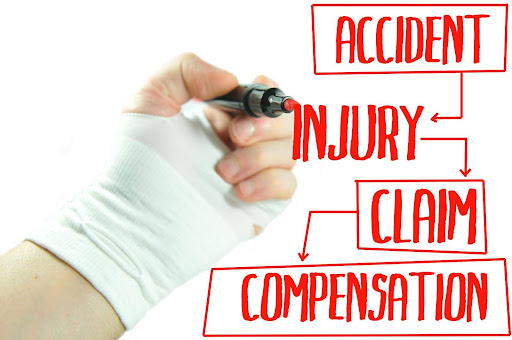
Key Takeaways
- Early documentation matters. Start by seeking medical care and keeping thorough records of injuries and treatments.
- Evidence is crucial. Collect photos, witness statements, and official reports to support your case.
- Negotiation begins with a demand letter. This formal document outlines the facts, injuries, and damages sought from the at-fault party’s insurer.
- Most claims settle out of court, but litigation may be necessary if the insurer denies or undervalues the claim.
- Legal representation helps maximize results. A skilled personal injury lawyer ensures damages are accurately valued and that no deadlines are missed.
What Qualifies as a Personal Injury Claim?
Personal injury claims can arise from a variety of situations where another party’s negligence or wrongful conduct caused harm. Common examples include:
- Car, motorcycle, and truck accidents
- Slip-and-fall incidents or premises liability cases
- Workplace injuries (outside of workers’ compensation)
- Medical malpractice or nursing home neglect
- Intentional assault
- Injuries caused by defective products
In all these cases, victims may be entitled to compensation if they can prove that another party breached the duty of care owed to the victim and that the other party’s negligence or wrongful conduct caused or contributed to their injuries.
The Core Steps in the Personal Injury Claim Process
1. Seek Medical Attention
Even if your injuries appear minor, see a doctor immediately. Medical documentation creates a clear link between the accident and your condition, which is vital for your claim.
2. Gather and Preserve Evidence
Collect police reports, photographs, medical records, witness information, and any correspondence with the insurance company. Strong evidence builds a stronger case.
3. Consult a Personal Injury Attorney
Consulting with a personal injury lawyer ensures that your claim is filed properly, all deadlines are met, and the true value of your damages is calculated accurately.
4. File a Demand Letter
Your attorney will send a demand letter to the at-fault party’s insurance company, detailing how the incident occurred, your injuries, and the amount of compensation you’re seeking.
5. Negotiate with the Insurance Company
Insurance adjusters may counter with a lower offer or deny liability altogether. Your lawyer negotiates aggressively to reach a fair settlement that reflects your actual losses.
6. Litigation, Discovery, and Trial (if needed)
If the insurer denies liability or refuses to agree to a fair settlement, your attorney can file a formal lawsuit. Both sides then exchange evidence during the legal process known as “discovery.” Ultimately, the case may go to trial if settlement negotiations fail.
Common Compensation Categories
A successful personal injury claim may include compensatory damages that are intended to compensate the victim for injuries and expenses that cover things such as:
- Medical expenses (past and future)
- Lost wages and diminished earning capacity
- Pain and suffering
- Property damage
- Loss of enjoyment of life
Punitive damages may be awarded in cases that involve extreme negligence or misconduct. While compensatory damages reflect actual expenses associated with the victim’s injuries, punitive damages are intended to punish the defendant which is why they are only awarded when the defendant’s conduct was particularly egregious.
Each case is unique, and total compensation depends on the extent of the injuries, the defendant’s degree of fault, and evidence supporting your claim.
Timeline and Expectations
Personal injury claims vary in length and complexity:
- Simple claims may be resolved within a few months.
- Complex or litigated cases can take one to two years or more.
Factors that affect the timeline include: the severity of the injuries, the insurance company’s cooperation, the court’s schedule, and whether liability is disputed.
At The Walsh Firm, LTD., we keep clients informed at every stage of the process, ensuring no delays, no missed deadlines, and no surprises.
FAQ
Q: Can I file a personal injury claim without a lawyer?
A: While possible, insurance companies often undervalue unrepresented claims. A lawyer helps you recover maximum compensation.
Q: How long do personal injury claims take to resolve?
A: Timelines vary, but settlements may take weeks or months, while lawsuits can take a year or more.
Q: What if I was partially at fault?
A: Many states, including Nevada, follow comparative negligence laws, which allow you to recover compensation even if you’re partly at fault (with your award reduced by your percentage of fault).
Q: Are all injuries eligible for a claim?
A: Injuries must be caused by another party’s negligence or wrongful conduct. Self-inflicted or unprovable injuries typically don’t qualify.
Call to Action
If you’ve been injured because of someone else’s negligence, don’t wait because the law limits the amount of time in which you have to initiate a personal injury lawsuit. Moreover, the sooner you act, the stronger your claim can be.
Contact The Walsh Firm, LTD. today for a free consultation. Our experienced personal injury lawyers will review your case, explain your options, and fight to secure the compensation you deserve.