
18-Wheeler Truck Accident Attorney: Why Specialized Experience Matters After Commercial Truck Crashes
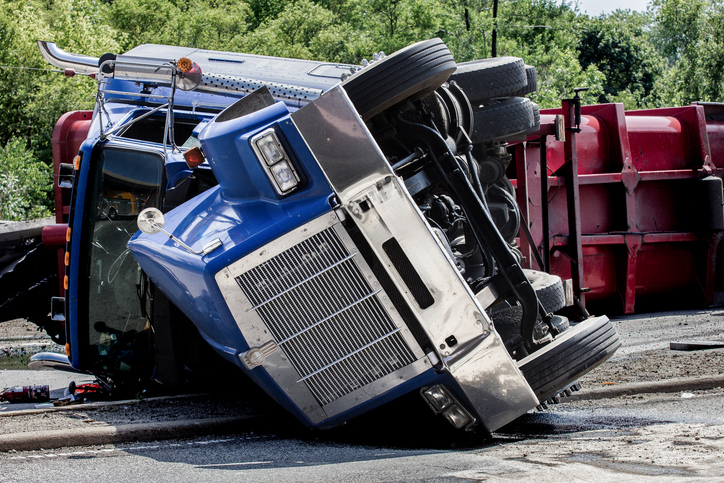
What should you look for in an 18-wheeler truck accident attorney, and why does specific commercial trucking experience make a critical difference?
Commercial truck accidents differ dramatically from typical passenger vehicle collisions. These cases frequently involve catastrophic injuries, complex federal regulations, multiple liable parties, and aggressive insurance defense teams protecting billion-dollar trucking companies. An experienced 18-wheeler truck accident attorney understands how to investigate these crashes, preserve critical
evidence before it disappears, identify all regulatory violations, and hold powerful trucking corporations accountable.
Choosing an attorney with proven trucking case experience, not just general personal injury knowledge, can mean the difference between inadequate settlements and the comprehensive compensation victims need for lifelong care.
Why Truck-Specific Legal Experience Is Essential
Federal and State Regulations Governing Commercial Trucks
18-wheeler accidents are governed by specialized Federal Motor Carrier Safety Administration (FMCSA) regulations found in 49 CFR Part 395 and other provisions. Experienced truck accident attorneys understand these complex rules including:
Hours of Service Regulations: Strict limits on driving time, mandatory rest periods, and electronic logging device (ELD) requirements designed to prevent fatigued driving. Violations are common and often contribute to crashes.
Vehicle Inspection and Maintenance Requirements: Federal regulations mandate regular inspections, maintenance schedules, and documentation. Attorneys know how to identify inspection failures and maintenance negligence.
Cargo Loading and Weight Limits: Improper loading, overweight trucks, and unsecured cargo create significant hazards. Experienced lawyers investigate loading procedures and weight compliance.
Driver Qualification Standards: Commercial drivers must meet specific licensing, training, medical fitness, and background check requirements. Attorneys examine whether trucking companies properly qualified their drivers.
Drug and Alcohol Testing: FMCSA regulations require pre-employment, random, post-accident, and reasonable suspicion testing. Violations indicate serious safety lapses.
Understanding Commercial Insurance Structures
Commercial trucking insurance policies typically provide $750,000 to $1 million or more in coverage, far exceeding standard auto insurance. However, accessing this coverage requires understanding complex commercial insurance structures, policy exclusions, and multiple coverage layers. Experienced truck accident attorneys know how to identify all applicable insurance policies and maximize available compensation.
How Experienced 18-Wheeler Attorneys Build Winning Cases
Immediate Evidence Preservation
Truck accident evidence disappears quickly without prompt legal action. Experienced attorneys immediately:
Send Spoliation Letters: Formal legal notices requiring trucking companies and insurers to preserve all evidence, preventing destruction of critical documents and data.
Secure Electronic Data: Download information from electronic control modules (ECMs/"black boxes"), electronic logging devices (ELDs), GPS systems, and onboard cameras before data is overwritten or deleted.
Obtain Driver Records: Preserve logbooks, employment files, training records, medical certifications, drug test results, and hours of service documentation.
Gather Maintenance Records: Secure vehicle inspection reports, maintenance logs, repair receipts, and compliance documentation showing whether trucks were properly maintained.
Document Scene Evidence: Photograph accident scenes, road conditions, weather factors, sight line obstructions, and vehicle damage before conditions change.
Identifying All Potentially Liable Parties
Unlike passenger vehicle accidents, 18-wheeler crashes often involve multiple defendants, such as:
Truck Drivers: Individual drivers who violated safety regulations, drove recklessly, or operated while fatigued or impaired.
Trucking Companies/Carriers: Companies that hired unqualified drivers, failed to maintain vehicles, pressured drivers to violate hours of service rules, or inadequately supervised operations.
Cargo Loaders: Third-party loading companies or shippers who improperly secured loads, overloaded vehicles, or created dangerous weight distributions.
Maintenance Contractors: Companies responsible for vehicle inspections and repairs that failed to identify or fix safety defects.
Leasing Companies: Entities that own trucks and lease them to carriers may share liability for maintenance failures.
Parts and Truck Manufacturers: Defective brakes, tires, steering systems, or other components may create manufacturer liability.
Brokers: Freight brokers who negligently select unsafe carriers or fail to verify proper insurance and safety ratings.
Experienced attorneys conduct thorough investigations identifying every responsible party and available insurance policy, maximizing potential compensation.
Comprehensive Damage Calculation
Truck accidents frequently cause catastrophic injuries requiring lifelong medical care. Skilled attorneys work with medical experts, life care planners, economists, and vocational specialists to calculate:
Economic Damages:
- Surgical procedures and rehabilitation costs
- In-home nursing care and assistance
- Medical equipment and assistive devices
- Home and vehicle modifications
- Lost wages and complete loss of earning capacity
- Loss of employment benefits and retirement contributions
Non-Economic Damages:
- Physical pain and suffering
- Emotional distress and mental anguish
- Loss of enjoyment of life
- Permanent disability impacts
- Disfigurement and scarring
- Loss of consortium for spouses
Punitive Damages: In cases involving gross negligence (such as knowingly allowing fatigued drivers to continue operating), Nevada law permits punitive damages aimed at punishing defendants and deterring similar conduct.
Nevada-Specific Considerations for Truck Accidents
Statute of Limitations
Under NRS 11.190(4)(e), Nevada provides two years from the accident date to file personal injury lawsuits. However, truck accident cases require extensive investigation, expert consultations, and evidence preservation, making early legal consultation critical.
Comparative Negligence
Nevada's modified comparative negligence rule under NRS 41.141 allows recovery even when an injured victim is partially at fault, provided victim responsibility doesn't exceed 50%. Trucking companies often attempt to shift blame to accident victims. Experienced attorneys counter these tactics with evidence demonstrating the trucking company and driver negligence.
Evaluating 18-Wheeler Truck Accident Attorneys
When searching for qualified representation, consider:
Specific Trucking Experience: Ask how many 18-wheeler cases the attorney has handled, what federal regulations they're familiar with, and whether they regularly work with trucking experts.
Track Record: Review prior truck accident settlements and verdicts. Look for six- and seven-figure results demonstrating the ability to handle high-stakes cases.
Resources: Truck accident litigation requires significant financial resources for expert witnesses, accident reconstruction, and extensive discovery. Ensure that attorneys have the capacity to fully investigate and litigate cases.
Trial Readiness: Insurance companies negotiate differently when they know attorneys are prepared and willing to try cases. Ask about trial experience and recent verdicts.
Client Testimonials: Review feedback from catastrophic injury clients, not just general personal injury matters.
Common Mistakes to Avoid After Truck Accidents
Delaying Legal Consultation: Critical evidence disappears within days or weeks. Immediate attorney involvement preserves evidence and protects the rights of an injured victim.
Providing Recorded Statements: Insurance adjusters use recorded statements against victims. Consult attorneys before speaking with any insurance company.
Accepting Early Settlement Offers: Initial offers rarely reflect the true value of a case, especially before full injury impacts are known.
Hiring General Personal Injury Lawyers: Truck accidents require specialized knowledge. General practice attorneys may miss critical regulatory violations and liability sources.
Missing Filing Deadlines: Nevada's two-year statute of limitations is strictly enforced. Missing deadlines permanently bars recovery.
Frequently Asked Questions
Why can't I just hire any personal injury lawyer for my truck accident case? Truck accident cases involve federal regulations, complex commercial insurance, and specialized investigation techniques that general personal injury attorneys may not understand. Trucking-specific experience is essential for identifying all liability sources and maximizing compensation.
How soon should I contact a truck accident attorney? Immediately. Trucking companies begin their own investigations within hours, and critical evidence can be destroyed, deleted, or overwritten within days if not preserved through legal action.
What questions should I ask potential truck accident attorneys? Ask about specific 18-wheeler case experience, recent truck accident results, familiarity with FMCSA regulations, relationships with trucking experts, and willingness to take cases to trial if necessary.
How do truck accident attorney fees work? Most work on contingency fees, collecting payment only from successful recoveries. This arrangement eliminates upfront costs and aligns attorney and client interests.
Can I still recover if I was partially at fault? Yes, under Nevada's comparative negligence law, you can recover provided your fault doesn't exceed 50%. However, compensation is reduced by your percentage of fault, making strong legal representation essential for minimizing assigned blame.
Taking Action After 18-Wheeler Accidents
Truck accident cases are fundamentally different from typical motor vehicle claims. They require specialized knowledge, immediate action, substantial resources, and a willingness to stand up to well-funded corporate defendants and their insurance carriers.
The attorney you choose directly impacts your recovery. Experienced 18-wheeler accident lawyers understand federal trucking regulations, know how to preserve and analyze critical evidence, can identify all liable parties and insurance sources, and have track records proving their ability to secure maximum compensation through settlement or trial.
If you or a loved one has been injured in an 18-wheeler truck accident in Las Vegas or anywhere in Nevada, contact The Walsh Firm, Ltd. today for a free consultation. Our experienced truck accident attorneys will immediately begin preserving evidence, investigating your case, and fighting for the maximum compensation you deserve while you focus on recovery.